V7#5b9
-
Posts
316 -
Joined
-
Last visited
-
Days Won
40
-
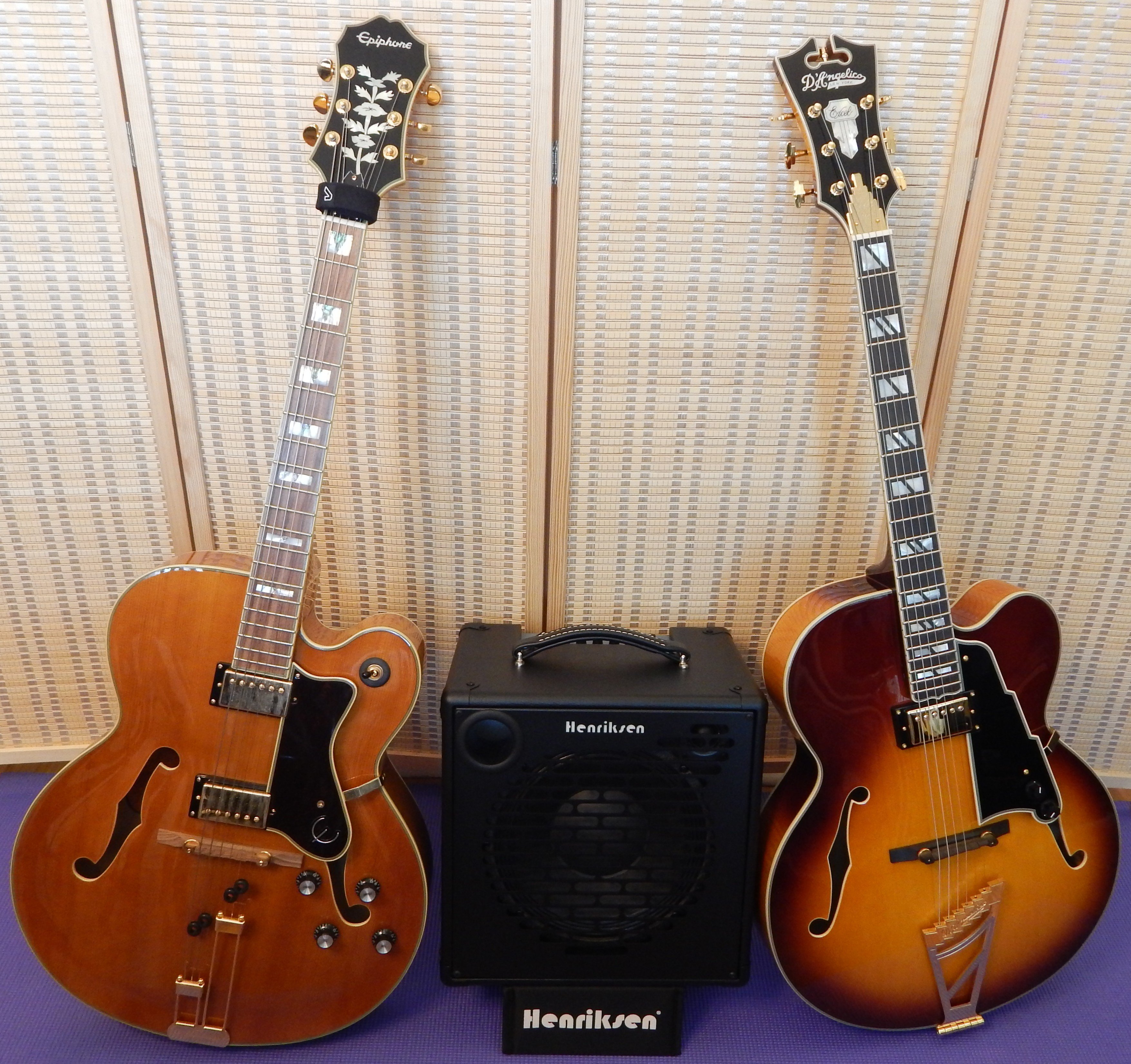
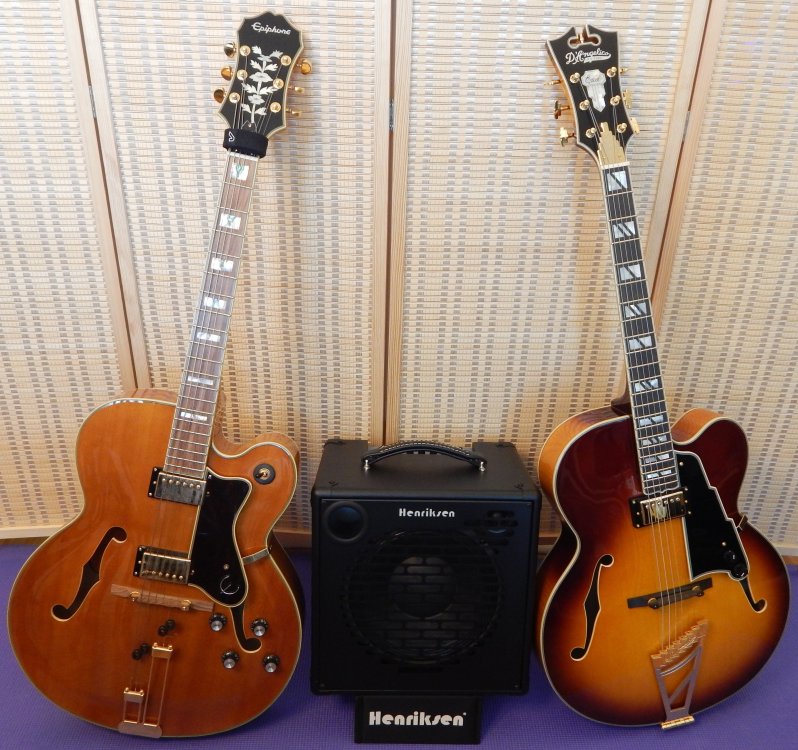
I don’t recall anybody ever posting a comparison of their two or more guitars of the same type. So I thought it wouldn’t be a bad idea. Besides, I’m enjoying my retirement and more spare time. As I had indicated in my Epiphone Broadway post I wanted D’Angelico Excel EXL-1 for a long time. It wasn’t easy to get my hands on it, but I finally did it. To digress for a moment, I already have an Excel EX-DC (semi-hollow) which I got back in 2014, shortly after the brand had re-entered the market. Back then I figured they needed to put out good products to succeed. I wasn’t wrong. Frankly, it rivals my Gibson ES-335 and although I called my Gibby the real deal I actually bought a not-so-cheap piece of nostalgia. Don’t get me wrong. I dig my Gibby and it’s a great guitar, but I’m more and more convinced that I got myself an image. There are guitars just as good if not better out there. Back to the main theme. It’s been over a decade since D’Angelico hit the market and I hoped they didn’t begin to slack. Again, I wasn’t wrong. I can’t speak for every single one, but my Excel EXL-1 is literally flawless in terms of craftsmanship with great setup and crazy low action. I love it. What struck me the most was the acoustic quality of the instrument. It sounds strikingly similar to D’Angelico Originals. Maybe it’s got something to do with D’Angelico Electrozinc round wound strings which apparently are the re-creation of the original invention by renowned luthier John D’Angelico and master string maker John D’Addario. Regardless, the arch-top is a keeper for sure. And so is the customized Broadway. I put a fret wrap behind the nut and rubber grommets behind the bridge to eliminate micro-overtones. The Broadway sounds cleaner this way. With Gibson ‘57 Classic humbucker in the neck position the Broadway sounds like the real L-5. Of course, the Henriksen amp handles the arch-tops or any other guitar superbly, giving you that classic jazz tone. Picture included. So how do they compare? Let’s consider some differences: Excel EXL-1 vs Customized Broadway Strings: D’Angelico Electrozinc Jazz 12-52 D’Addario Chromes 12-52 flat wound Fingerboard: Ebony Pau Ferro Body Depth: 3” 3 1/8” Bridge: Ebony Pau Ferro Tailpiece: D’Angelico Stairstep Frequensator Neck Pickup: Saymour Duncan 59 humbucker Gibson 57 Classic humbucker Made in: Korea China Obviously, they sound similar, but not the same. Each one has its own character or voice. Both have a broad dynamic range and sound good acoustically. The D’Angelico with a single humbucker and controls mounted on the pick-guard has more going for it in that respect. Plugged in they both can sound very similar depending on the EQ. On the scale from one to ten I’ll give D’Angelico 10 out of 10 and Epiphone 9 out of 10.
- 1 reply
-
- 2
-

-
"In his new book, The Holistic Guitarist, Acoustic Guitar contributing editor Sean McGowan offers a comprehensive approach to staying healthy, practicing creatively, and improving as a musician."
-
@Gary Nelson @Gene C Blu Ten is definitely a great amp. It handles arch-top guitars extremely well and generates that classic jazz tone. Luckily, the volume can be set relatively low so they won’t necessarily hear me.
-
There is only one picture with two items in it. I uploaded it to the Gallery and then inserted in the post. I can see the picture in both places. The first item is an arch-top guitar D’Angelico Excel EXL-1 in dark iced tea burst. The second item is a jazz amp Henriksen Blu Ten. I’m not sure why you don’t see any pictures.
-
NGD: For the Fingerstyle Retreat
V7#5b9 replied to jasn's topic in Guitar Gear, Amps, Effects, Pedals
@jasn This is definitely a polyphonic instrument. -
I’ve recently become a senior citizen and I thought the age of retirement called for a special celebration. So I’ve allowed myself to acquire a couple of higher end items. They are my final choices and from now on, I will probably begin to sell off the gear I no longer, or seldom use. No lengthy post this time, just a picture.
-
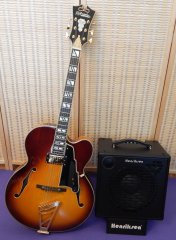 D'Angelico Excel EXL-1 & Henriksen Blu Ten
 -
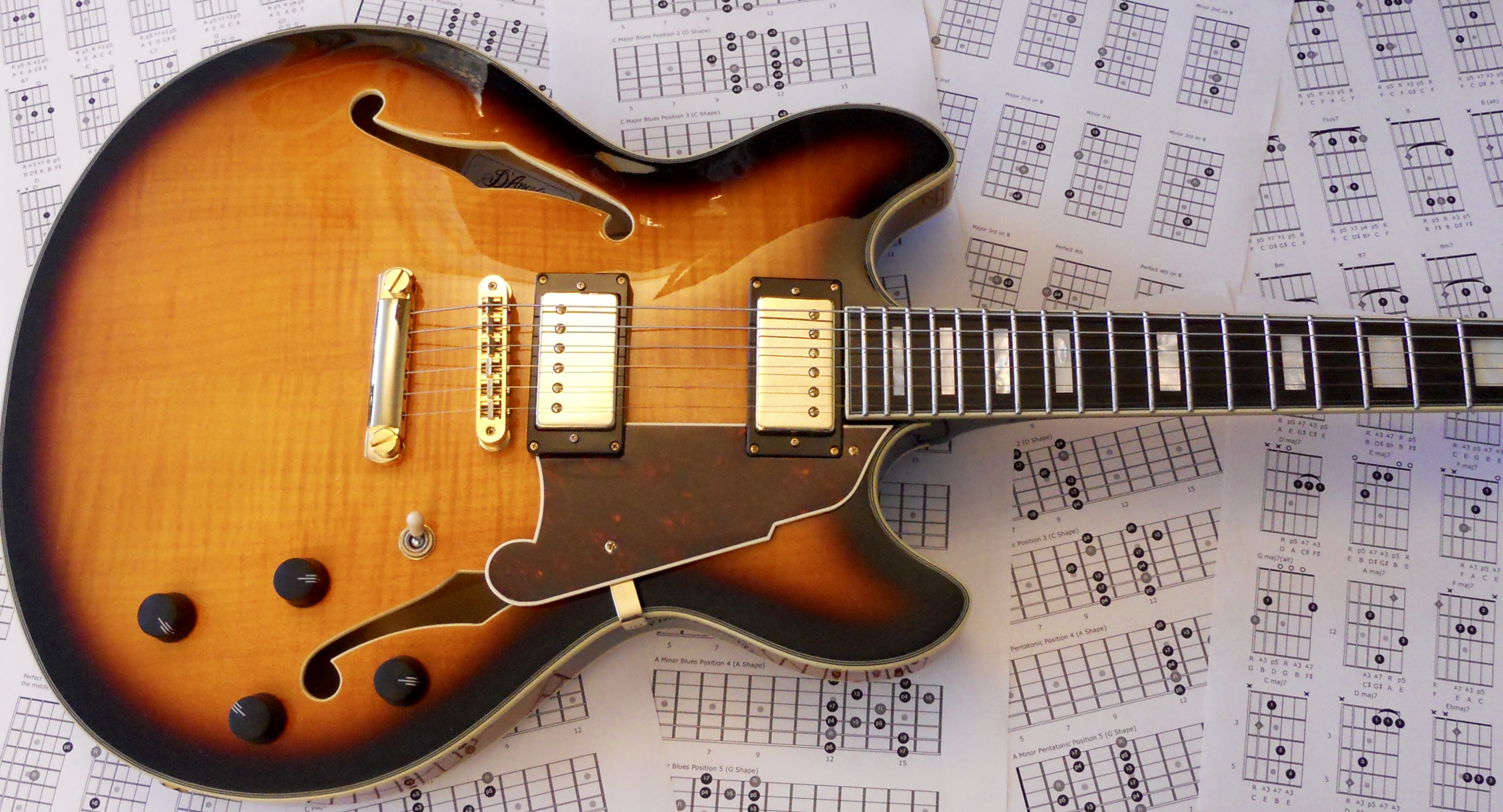
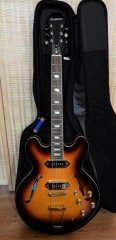
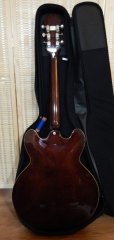
Epiphone decided to refresh some models for 2023 to celebrate their 150th anniversary. So I thought it would be a good time to get the Casino. Well, it arrived with a few minor detail oriented shortcomings. The output jack was loose. Tone knob for the neck pickup came off easily. I fixed both issues. The pickguard “E” started to peel off. Initially, I was gonna reglue it, but I decided to remove the whole thing. The guitar looks much better without it, anyway. There’s one more thing I will have to work on. After checking the setup, I measured the nut height at the first fret, and I’ll have to cut the slots to improve tuning stability and intonation. I’ve done it before on my Broadway. Overall, I’m happy with the Casino. The guitar is well made. It looks and sounds great. Although the playability is fine, it will improve when I file down the nut slots. Now, I didn’t get it just because the Beatles had used the Casinos. I got it because of the following factors: Hollow body Light weight Comfort (16th fret neck joint makes the 24.75” scale length feel shorter) Less prone to feedback than my Broadway Loud enough acoustically to practice unplugged Great jazz sound when plugged in Historically, the Epiphone Casino is essentially an equivalent to Gibson ES-330 with some small cosmetic differences. This one was made in China, but I’ll give it a score of 9 out of 10 due to the above-mentioned issues.
-
-
-
@Ice9 For some reason the log has never appealed to me, but it’s not a bad choice. @Wim VD1 Sheraton II Pro is in my arsenal already. It’s in the Gallery. Close call, by the way. @Eracer_Team-DougH Interesting choice, but I don’t see Baritone Ukulele in their line-up. @Strings It’s an acoustic/electric guitar. Well, I hope this way of NGD posting was a bit of fun, but perhaps it’s time to carry on and open the bag. Coming up shortly.
-
Care to guess what's in the gig bag?
-
@Fretless Glad you found it helpful.
-
You’re welcome, Fretless. Barney is one of my faves, very melodic player and easy to listen to.